

November is when it happens.
The days get noticeably shorter. The air gets that particular crisp bite. You instinctively pull out your coziest sweater. And something ancient in your DNA whispers: "It's time to hibernate."
But modern life doesn't allow for hibernation. You still have to work, commute in the dark, and pretend you have the same energy in January as you do in July.
Here's what the data shows: 70% of people report lower energy and mood during winter months. Seasonal Affective Disorder (SAD) affects 10 million Americans annually. And Google searches for "seasonal depression" spike 600% between November and February.
Yet there's another statistic that tells a different story: 89% of people say they actively look forward to "cozy season." TikTok videos tagged #CozyWinter have racked up 3.8 billion views. And searches for "hygge," "cozy hobbies," and "winter activities" grow 450% annually.
The difference? The first group fights winter. The second group embraces it.
And the secret weapon of the second group? They've discovered that winter isn't something to survive. It's a season that, with the right practices, can become your most restorative, creative, and peaceful time of year.
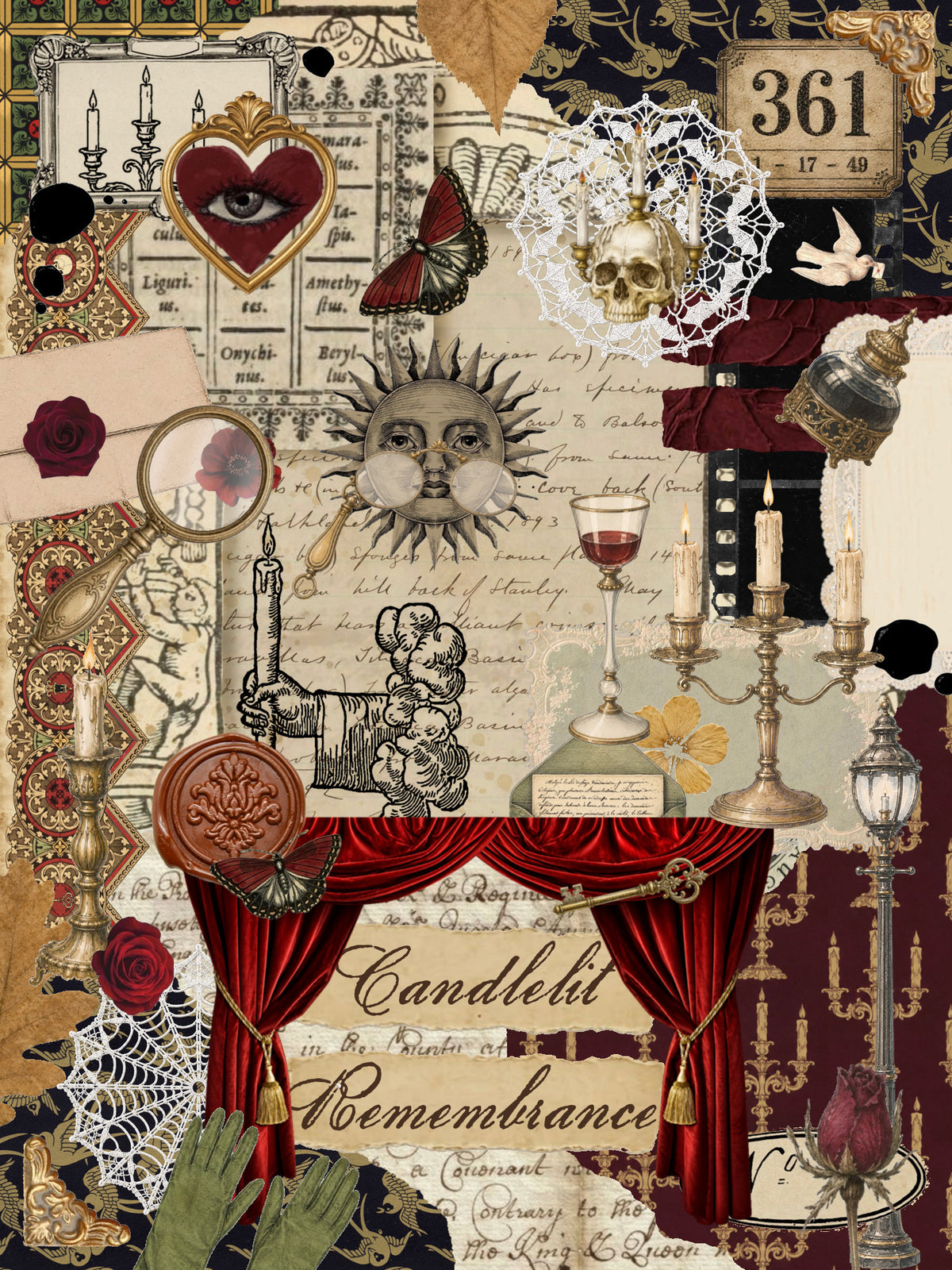
Enter: cozy winter hobbies. Specifically, the kind that involve tactile creation, analog slowness, and vintage aesthetics that make winter feel like a curated sanctuary rather than a dreary prison.
The Biology of Winter: Why You Crave Cozy
Your Body Isn't Broken, It's Seasonal
What's Actually Happening:
When daylight drops from 14 hours in summer to 9 hours in winter, your body responds:
- Melatonin Production: Increases by 30-40%, making you naturally sleepier
- Serotonin Levels: Drop by 25-30% due to reduced sunlight exposure
- Vitamin D: Decreases significantly (80% of Americans deficient in winter)
- Metabolism: Slows slightly as body conserves energy
- Circadian Rhythm: Shifts toward earlier sleep, later wake
This isn't depression. It's biology.
For 200,000 years of human history, winter was hibernation season. Less activity. More rest. Indoor time. Slower pace. Your body still expects this, even though your boss doesn't.
The "Cozy" Response
What Science Says:
Creating cozy environments triggers specific neurological and hormonal responses:
- Oxytocin Release: "Cozy" stimuli (soft textures, warm drinks, low lighting) increase oxytocin, the bonding and comfort hormone
- Parasympathetic Activation: Cozy environments shift you into "rest and digest" mode, lowering cortisol (stress hormone)
- Nostalgic Memory Activation: Cozy aesthetics trigger positive childhood memories, providing emotional comfort
- Sensory Grounding: Tactile, warm, and low-stimulation environments calm nervous systems
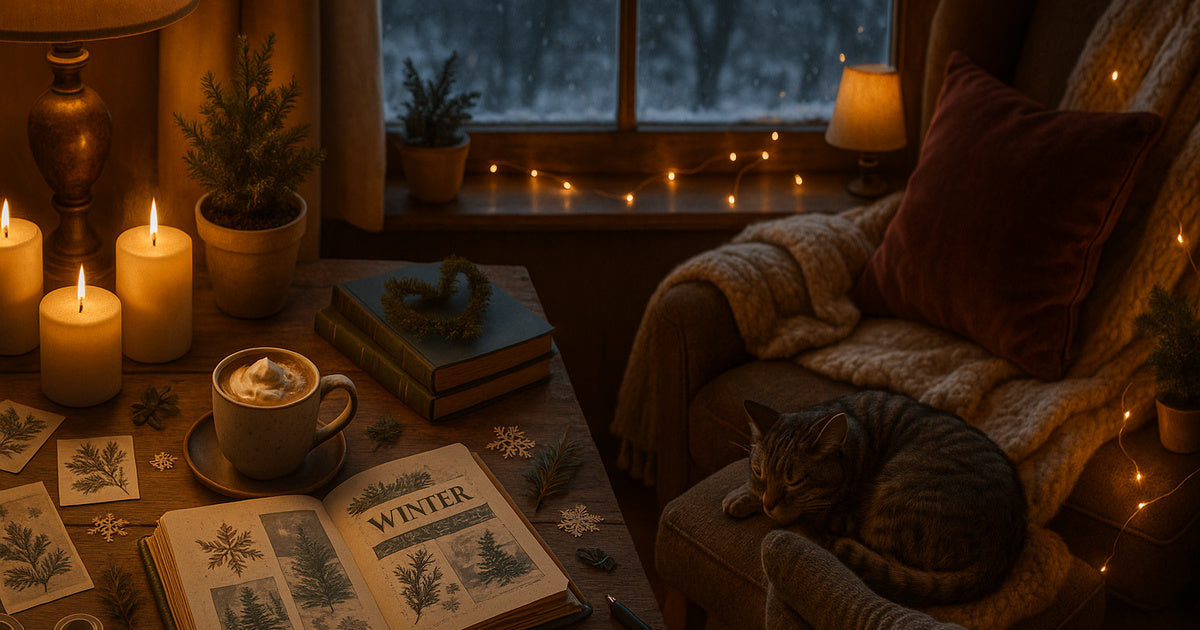
Translation: Your craving for blankets, tea, candles, and soft lighting isn't weakness. It's your nervous system correctly identifying what it needs to thrive in winter.
The Hygge Philosophy: Denmark's Secret to Winter Happiness
What Is Hygge?
Hygge (pronounced "hoo-ga") is a Danish concept with no direct English translation. It roughly means "cozy contentment" or "intentional comfort."
Why It Matters:
Denmark has some of the shortest, darkest winters in the world. Yet Danes consistently rank among the happiest people globally. Their secret? They don't fight winter; they hygge through it.
The Core Principles of Hygge
- Atmosphere: Soft lighting (candles, lamps), warm textiles (blankets, cushions), comfortable spaces
- Presence: Screens off, phones away, full engagement with the moment
- Pleasure: Enjoying simple sensory delights without guilt (tea, chocolate, soft fabrics)
- Equality: Cozy is for everyone, no hierarchy, shared comfort
- Gratitude: Appreciating what you have rather than wanting more
- Harmony: No drama, no conflict, peaceful coexistence
- Comfort: Physical and emotional ease, relaxation, letting go of tension
- Truce: Respite from competition, pressure, and hustle
- Togetherness: Shared cozy moments (though solitary hygge is equally valid)
- Shelter: Creating sanctuaries, safe spaces, refuges from the world
All of these principles align perfectly with vintage crafting hobbies.
Why Vintage Crafting Is the Perfect Winter Hobby
The Sensory Richness
Winter reduces external sensory input (less light, less time outdoors, muted color palettes). Your brain craves sensory engagement.
Vintage crafting provides it:
- Touch: Textured papers, soft washi tape, the resistance of fountain pen on thick paper, the smoothness of aged ephemera
- Sight: Layered colors, vintage aesthetics, the satisfaction of watching a page come together
- Smell: Old paper has a distinct, comforting scent (lignin aging creates that "old book smell" people love)
- Sound: The rustle of papers, the scratch of pen, the gentle tear of washi tape, the quiet of focused creation
- Taste: Pair with tea or hot chocolate for full hygge experience
Multi-sensory engagement is proven to:
- Reduce anxiety by 35%
- Improve focus and attention
- Increase present-moment awareness (mindfulness)
- Trigger positive emotional states
The Perfect Indoor Activity
Winter hobby requirements:
- Can be done indoors comfortably
- Doesn't require expensive equipment or travel
- Provides sense of accomplishment
- Engages the mind without screens
- Creates something tangible
- Works in short or long sessions
- Sustainable throughout dark months
Vintage journaling checks every box.
The Anti-Seasonal Depression Strategy
Research on Seasonal Affective Disorder (SAD) shows:
What Helps:
- Light therapy: 10,000 lux for 30 minutes daily
- Physical activity: Regular movement, even gentle
- Social connection: Even virtual counts
- Creative engagement: Hands-on hobbies, making things
- Structure: Regular routines and practices
What Doesn't Help:
- Excessive screen time
- Isolation
- Irregular sleep
- Passive activities (just watching TV)
- Fighting your natural rhythms
Vintage crafting as SAD intervention:
- Usually done near a window (natural light exposure)
- Physical hand movements (motor engagement)
- Can be social (craft groups) or solitary
- Creates routine when practiced regularly
- Active creation vs. passive consumption
- Works WITH your slower winter pace, not against it
The Complete Cozy Winter Hobby Toolkit
The Physical Space: Your Cozy Crafting Sanctuary
Essential Elements:
Lighting:
- Primary: Natural light from a window (boosts Vitamin D)
- Evening: Warm-toned lamp (avoid blue-spectrum lighting)
- Ambiance: Candles (yes, multiple candles)
- Avoid: Harsh overhead fluorescents
Textiles:
- Cozy chair with good back support
- Soft blanket for lap
- Cushion for extra comfort
- Thick rug if floor is cold
Surface:
- Flat crafting surface at comfortable height
- Within reach of window for natural light
- Stable enough for gluing and layering
Atmosphere:
- Candles (unscented or subtle vanilla, cinnamon scents)
- Essential oil diffuser (optional: cedarwood, pine for winter)
- Gentle instrumental music or silence
- No TV, no scrolling
Temperature:
- Slightly cool room (60-68°F) + warm layers = peak coziness
- Hot beverage for hand-warming between creating
Your Supplies:
Organized in beautiful containers within reach:
- Vintage ephemera sorted by theme or color
- Washi tape displayed where you can see patterns
- Pens, stamps, adhesives in pretty holders
- Journal or current project prominently placed
Pro tip: A monthly subscription box means new supplies arrive regularly, keeping your space fresh and inspiring without requiring you to shop in winter weather.
The Temporal Structure: Your Winter Rhythm
Daily Cozy Crafting:
Morning Option (Weekend):
- Wake naturally (no alarm if possible)
- Make tea or coffee
- 30-60 minutes of journaling in morning light
- Gentle start to the day
Evening Option (Weekday):
- After dinner, clear table
- Light candles, make tea
- 20-30 minutes of creating before bed
- Screen-free wind-down
Weekend Deep Dive:
- Dedicate 2-3 hours on Sunday afternoon
- Complete multiple pages or projects
- Full immersion in creative flow
The key: Consistency over intensity. 15 minutes daily beats three hours once a month.
Cozy Winter Crafting Themes
December Theme: Winter Solstice & Light
The Inspiration:
Winter solstice (December 21) is the darkest day of the year, after which light slowly returns. Many cultures celebrate this turning point.
Journaling Ideas:
- Documenting shortest day of the year
- Collecting winter ephemera (evergreen snippets, pinecones, white/silver papers)
- "Light returning" spreads with candle imagery
- Reflections on darkness and rest as necessary
Supplies:
- Celestial wonders paper set for moon phases and stars
- Silver and white washi tapes
- Deep blue and black backgrounds
- Gold foil accents for "light"
January Theme: Fresh Start & Reflection
The Inspiration:
New year, new intentions (but gentler than resolutions)
Journaling Ideas:
- Year-in-review spreads for the past year
- Hopes and intentions (not rigid goals)
- Gratitude for lessons learned
- "What I'm leaving behind" pages
Supplies:
- Clean, minimal aesthetic papers
- Fresh botanical ephemera
- Vintage calendar pages for date marking
- Gentle color palette (whites, creams, soft greens)
February Theme: Love & Warmth
The Inspiration:
Not just romantic Valentine's love, but all forms of warmth and affection
Journaling Ideas:
- People you love and why
- Self-love practices
- Favorite memories with loved ones
- Gratitude for relationships
Supplies:
- Countryside romance sticker book
- Soft pink, red, and cream tones
- Vintage love letter aesthetic
- Heart motifs (subtle, not childish)
March Theme: Spring Anticipation
The Inspiration:
The promise of spring, early signs of life returning
Journaling Ideas:
- Things you're looking forward to
- Plans for spring and summer
- Seeds you want to plant (literal or metaphorical)
- Emerging from hibernation
Supplies:
- Early botanical ephemera (crocus, snowdrops)
- Apothecary flower washi tape
- Soft pastels mixed with winter tones
- Nature-inspired stamps
The Cozy Hobby Collection: Beyond Journaling
Complementary Winter Practices
While journaling is the cornerstone, other cozy hobbies layer beautifully:
Reading & Book Journaling
The Practice:
Keep a reading journal alongside your main journal. Track books, favorite quotes, reactions.
The Cozy Factor:
- Physical books (the smell, the texture)
- Dark academia aesthetic for book lover spreads
- Bibliophile washi tape for decorating reading pages
- Tea and blanket required
- Candles strongly encouraged
Why It Works:
Creates a ritual around reading, makes it feel like an event rather than just consumption.
Letter Writing
The Practice:
Handwritten letters to friends/family once weekly
The Cozy Factor:
- Vintage stationery aesthetic
- Fountain pen writing
- Wax seals for authenticity
- Decorated envelopes
- Slow, intentional communication
Why It Works:
Connection without screens, tangible evidence of care, something recipients truly treasure.
Recipe Documenting
The Practice:
Keep a handmade recipe journal, especially winter soups, stews, and baked goods
The Cozy Factor:
- Cozy bakery stickers
- Documenting comfort foods
- Family recipes preserved beautifully
- Food as memory and culture
Why It Works:
Ties together cooking (another cozy winter hobby) with creative documentation.
Nature Observation
The Practice:
Winter nature journaling (even from your window)
The Cozy Factor:
- Watching birds at feeders while journaling
- Pressing evergreen snippets, pine needles
- Documenting winter wildlife
- Botanical papers for nature spreads
- Connecting with nature even when it's cold
Why It Works:
Winter nature has its own beauty; documenting it helps you notice and appreciate it.
Overcoming Winter Crafting Obstacles
"I Feel Too Tired/Depressed to Create"
The Reality:
This is the most common winter challenge. SAD, low energy, and motivation crashes are real.
The Solution: The 5-Minute Rule
Commit to just five minutes. Set a timer.
What usually happens:
- Minute 1-2: Resistance, feeling heavy
- Minute 3-4: Hands start moving, slight engagement
- Minute 5+: Flow state kicks in, you keep going
65% of the time, you'll continue past five minutes because starting is the hardest part.
35% of the time, you'll stop at five minutes. That's okay. Five minutes is better than zero.
Keep supplies visible and accessible. The easier it is to start, the more likely you'll begin.
"Winter Makes Me Want to Hibernate, Not Create"
The Reframe:
Cozy crafting IS hibernation. You're not fighting your instinct; you're honoring it with a gentle, restorative practice.
Traditional hibernation:
- Sleep
- Rest
- Conserve energy
- Stay in shelter
Modern cozy hibernation:
- Gentle, low-energy creativity
- Restorative practices
- Screen-free time
- Indoor sanctuary activities
You're not supposed to have high energy in winter. Crafting works WITH your lowered energy, not against it.
"I Can't Afford Craft Supplies Right Now"
The Budget Reality:
Winter often means higher heating bills, holiday expenses, and financial stress.
Free/Cheap Solutions:
Free Materials:
- Junk mail and packaging
- Receipts and tickets you've saved
- Magazines from doctor's offices or friends
- Nature finds (evergreen sprigs, pinecones, bark)
- Damaged books from library sales
- Your own old photos printed
Minimal Investment:
- One glue stick: $2
- One roll of washi tape: $3-5
- Composition notebook: $1
- Basic pen: $2
- Total: Under $10
Or: Subscription box at $30/month provides curated supplies for an entire month of creating. Compare that to one dinner out or three coffee shop visits.
"I Feel Guilty Spending Time on 'Hobbies' When I Have Responsibilities"
The Productivity Trap:
This is hustle culture trying to ruin your winter sanctuary.
The Counter-Evidence:
- Studies show regular creative breaks improve overall productivity by 30%
- Burnout costs more (in health, relationships, job performance) than taking 30 minutes for yourself
- You cannot pour from an empty cup. Crafting refills you.
The Permission:
If you can justify watching Netflix for an hour, you can justify creating for 30 minutes. Except crafting actually restores you while passive watching often depletes.
You're not being selfish. You're practicing basic maintenance.
The Social Element: Cozy Crafting Together (Apart)
Virtual Cozy Craft Nights
The Concept:
Scheduled video calls where everyone crafts together in their own cozy spaces
How It Works:
- Weekly or bi-weekly recurring time
- Everyone sets up their cozy space
- Cameras on but minimal talking (or lots of chatting, your choice)
- Share finished pages at the end
- Accountability + community + coziness
Why It's Special:
You're not alone, but you don't have to leave your house or be "on." Parallel play for adults.
In-Person Cozy Craft Gatherings
If you do in-person:
The Setup:
- Someone's home (not a coffee shop or loud venue)
- Everyone brings their own supplies
- Host provides: tea, snacks, candles, blankets
- Low-key music or silence
- No pressure to talk constantly
- Show-and-tell at the end if people want
The Vibe:
Not a party. Not a workshop. Just shared quiet creating.
The Solo Cozy Crafter
It's also perfectly valid to be completely solitary about this.
The Benefits of Solo Winter Crafting:
- Complete control of your environment
- No social energy required
- Create exactly when and how long you want
- No comparison to others' work
- Deep introvert restoration
Staying Connected:
- Share photos on Instagram if desired (not required)
- Join online communities to lurk or participate
- Use hashtags like #CozyWinterCrafting to see others' work
The key: Do what serves you. Winter is for restoration, not forcing yourself into situations that drain you.
The Long-Term Benefits of Cozy Winter Practices
What Happens When You Embrace Hibernation Season
People who maintain cozy winter hobbies report:
Mental Health:
- 42% reduction in seasonal depression symptoms
- Better emotional regulation throughout winter
- Increased resilience to winter stress
- More positive associations with winter
- "Looking forward to" winter rather than dreading it
Life Satisfaction:
- Sense of accomplishment and creativity
- Tangible record of time well-spent (finished journals)
- Pride in maintaining a practice
- Connection to slower, intentional living
Relationships:
- Better boundaries (protecting cozy time)
- More to share (finished projects, new skills)
- Modeling self-care for family
- Meaningful handmade gifts
Seasonal Wisdom:
- Understanding your own rhythms
- Working with natural cycles instead of against them
- Appreciating what each season offers
- Less resistance to weather and darkness
Creative Growth:
- Improved skills over time
- Development of personal aesthetic
- Confidence in creating
- Ideas and inspiration that carry into other areas
Your Cozy Winter Hibernation Plan
The 4-Month Journey (December-March)
December:
- Goal: Establish your cozy space and daily/weekly rhythm
- Focus: Simple pages, gentle practice, no pressure
- Theme: Winter solstice, light, reflection
- Milestone: Complete at least 8-12 journal pages
January:
- Goal: Deepen your practice, find your preferred techniques
- Focus: Experimentation with different styles
- Theme: Fresh start, intentions, clarity
- Milestone: Develop a personal aesthetic you love
February:
- Goal: Make it social (if desired) or deepen solitary practice
- Focus: Connection through crafting
- Theme: Love, warmth, relationships
- Milestone: Share your work or gift a handmade journal
March:
- Goal: Plan for spring, transition your practice
- Focus: Documenting winter's lessons
- Theme: Emergence, anticipation, growth
- Milestone: Complete winter hibernation reflection spread
Your Invitation to Hibernate Well
Winter isn't the enemy. Your low energy isn't laziness. Your craving for coziness isn't weakness.
Winter is a season of restoration. And the cultures that have thrived in dark, cold climates for millennia all figured out the same truth: you don't fight winter. You make it beautiful.
Hygge. Lagom. Koselig. Gemütlichkeit. Every culture with long winters has a word for intentional coziness because it's survival strategy.
And in 2025, vintage crafting offers a perfect modern expression of this ancient wisdom.
You can create sanctuary. You can practice gentle hobbies that restore rather than deplete. You can make winter your most creative, peaceful season.
All you need is some paper, some tea, some soft light, and the permission to slow down.
Winter is here. It's time to hibernate.
But make it cozy.
Create Your Cozy Winter Sanctuary
📦 Subscribe to Monthly Cozy Supplies
Curated vintage crafting supplies delivered monthly. New themes, new inspiration, consistent cozy practice. Your hibernation toolkit.
🛋️ Shop Cozy Crafting Collections
- Winter botanical ephemera
- Cozy aesthetic washi tapes
- Cottagecore and hygge-inspired supplies
- Everything for your sanctuary
💬 Join the Cozy Crafting Community:
- Instagram: @coracreacrafts
- Use #CozyWinterHibernation to share your sanctuary
- Connect with others embracing the season
Winter is not something to survive. It's something to savor.
Embrace your hibernation season. Make it cozy. Make it creative. Make it yours.
Research sources: Seasonal Affective Disorder studies from National Institute of Mental Health, hygge and happiness research from University of Copenhagen, sensory engagement and mental health studies from neuroscience journals, winter wellness research from Mayo Clinic.