Pressed Flower Journaling in 2026:
Your Complete Wilderkind Guide


What Is Pressed Flower Journaling — and Why Everyone Is Starting Right Now

You pick a flower on your walk home. You press it between two sheets of parchment inside a heavy book. Two weeks later you open that book and the color held, the shape held, the entire afternoon is right there in three dried petals on cream paper. That is pressed flower journaling.
From there you build pages around it — washi tape borders, hand-stamped botanicals, a watercolor wash behind the flower, a line of handwriting with the date and where you were. The result looks like a Victorian herbarium crossed with a personal diary. It's the opposite of the perfectly styled photos you scroll past, messier, more personal, and harder to put down once you start.
"The pages do not just show flowers. They show where you were, what season it was, and how the light felt that afternoon."
Why June Is the Best Time to Start a Botanical Journal
Right now, in June, is the single best time of year to start. Lavender, cornflowers, chamomile, daisies, Queen Anne's Lace, and rose petals are all in season at the same time. Walk into almost any neighborhood and you can find six pressable species without touching a garden center. That variety never repeats until next summer.
The timing lines up with the Wilderkind aesthetic that Pinterest Predicts named one of its biggest trends for 2026 — raw botanicals, foraged textures, and the idea that imperfect natural things are more beautiful than anything manufactured. A pressed flower that fades slightly at the edges, a fern leaf that's slightly uneven, clover with an uneven stem: these are the point, not flaws to work around. If you have ever felt like your craft pages never looked good enough, Wilderkind is your answer. Natural imperfection is the whole aesthetic.
The rest of this guide covers what to press, how to press it, and how to build pages that look like they belong in a museum — starting with whatever is growing outside right now.
The Best Flowers to Press for a Journal: Beginner's Guide
Flower choice is where most beginners go wrong. They pick a rose because it is beautiful, then open the book two weeks later to find brown mush. Thick petals trap moisture. The moisture turns brown before it dries. The best beginner flowers have two things in common: they are already flat when fresh, and they have low water content. Get both, and you almost never fail.
- Pansies and violas (best start, press flat in 7–10 days)
- Fern fronds (virtually foolproof, beautiful in any spread)
- Chamomile heads (remove the stem before pressing)
- Cornflowers (vivid blue holds longer than most)
- Cosmos (delicate and lovely, presses in 10–14 days)
- Queen Anne's Lace (press the full umbrella flat, stunning result)
- Lavender sprigs (press before fully open for best color)
- Wild clover (free, fast, organic variety)
Avoid dahlias, tulips, and full rose heads at first. They are too three-dimensional to press cleanly. Once you have ten successful pressings done, come back for those. But honestly, by then you will have learned enough to feel when a flower is ready to attempt.
How to Press Flowers for a Journal: Four Methods Compared
| Method | Time | Quality | Equipment |
|---|---|---|---|
| Heavy Book | 7–21 days | Best color | Dictionary + parchment paper |
| Dedicated Press | 7–14 days | Flattest result | Flower press (~$12–$30) |
| Microwave | 2–4 minutes | Faster, less color | Microwave + silica gel sheets |
| Silica Gel | 2–5 days | Good 3D shape | Airtight container + silica gel |
How long does each flower actually take?
The chart below shows real pressing times in a standard heavy book at room temperature. The bars fill in as you scroll to them — so you can see the waiting game visually.
How to Make a Pressed Flower Journal Page: Step by Step
The first spread is the hardest because you are figuring out what you like and what the paper can take, both at once. Most people stall here by overthinking the layout. The sequence below removes that decision weight. Follow it once, adjust after.
1. Choose a background color. A light watercolor wash of sage green or dusty gold behind the flowers makes even simple pressings look intentional. Let it dry completely before adding anything else.
2. Lay the flowers before gluing. Move them around the page dry until you have a composition you like. Take a photo of the arrangement before touching any glue. This is your reference if flowers shift during application.
3. Apply glue one flower at a time. Dip a toothpick in Mod Podge Matte and paint the back of the flower in thin strokes. Set it down gently. For very delicate flowers, a torn strip of thin washi tape at the outer edge works better than glue.
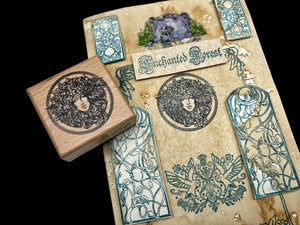
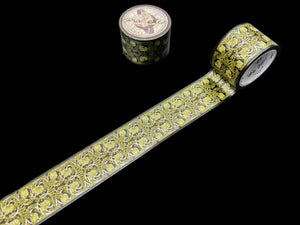
4. Add structure with washi tape. Run strips horizontally across the page edge to anchor the visual composition. Torn edges look better than cut ones. Overlapping a corner of a fern with washi grounds it to the page rather than just floating on it.
5. Stamp before writing. Add any botanical-themed stamps in soft ink before writing notes. Ink dries before it can smear, and the stamps frame the space where your handwriting will go.
6. Write last. A date, a location, the Latin name of the flower, or one sentence about why you were in that garden. It does not need to be long. Three words can carry an entire memory. This is the part that transforms a craft page into something you will actually want to pass on someday.
"Three words next to the flower — a date, a garden, a name — and twenty years from now you will still know exactly where you were standing."
Twelve Botanical Journal Page Ideas for Summer 2026
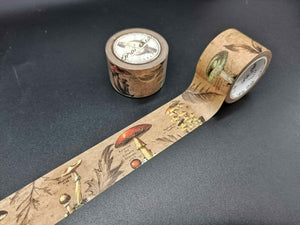
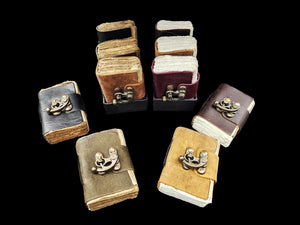
A theme gives your journal a reason to exist beyond "pretty flowers on paper." It is the difference between pages you flip through and pages you sit with. The twelve ideas below are built around what is actually growing right now and the Wilderkind direction that has taken over botanical journaling this year. Pick one and commit to it for at least a month before switching.


How Long Does It Take to Press Flowers? (Real Numbers)
The wait depends on two things: how much moisture the flower holds and how much weight you apply. A thick, fleshy petal will trap water even under a heavy book, and that trapped moisture turns brown before the drying process can finish. Thin, papery flowers like pansies and cosmos dry under almost any weight in under two weeks.
Room humidity matters more than most guides say. A humid summer adds about five days to pressing time compared to dry winter air. If you are starting in peak summer, tuck a few silica gel packets between the parchment sheets. That offsets most of the humidity delay and saves you those extra days.
At day seven, check without lifting the flowers off the parchment. Press the paper gently with a finger. If it is completely dry and the flower feels papery rather than leathery, you are done. Any softness: close the book and check again in three days. Patience here pays off in pages that last for years rather than months.
Color Palettes for Botanical Summer Pages
The palette behind the flowers makes as much difference as the flowers themselves. These five combinations work consistently well with June botanical specimens.
How to Stick Pressed Flowers in a Journal (Without Ruining Them)
This is where most people lose a flower they waited three weeks to press. Use too much glue and the petals buckle. Use too little and the edges lift within a week. Get it right and you will not touch that flower again for years.
Mod Podge Matte is the most consistent choice across paper types. Apply it to the back of the flower with a toothpick in thin strokes from the center outward. The right amount makes the flower look almost translucent when wet. When it dries, it disappears completely and the flower looks like it grew there.
For very fragile flowers, particularly Queen Anne's Lace and chamomile heads, skip glue entirely. Use thin strips of washi tape at three points around the outer edge instead. The flower sits slightly raised from the page this way, which actually photographs better than a specimen pressed completely flat.
Seal finished pages with a light mist of UV-protective matte sealant held at least twelve inches away. Two thin coats, fully dry between them, protect against fading and edge lift for years. Skip this step and even well-pressed flowers start losing color within six months in a sunny room.
Pressed Flower Journal Supplies: What You Actually Need
Pinterest makes botanical journaling look like it requires a studio full of equipment. It does not. Here is what each price point honestly gets you, from zero dollars to a full monthly practice.
✦ Free starter kit checklist- Wildflowers from yard or roadside ditch
- Heavy dictionary or thick hardcover book
- Parchment paper (any grocery store)
- White school glue thinned with a drop of water
- A notebook you already own
That free kit is lovely on its own. Once you want to go further:
✦ Under $30 upgrade checklist- Mixed pansy seeds (~$3) for a reliable pressing supply
- Mod Podge Matte (~$8) for cleaner adhesion
- Beginner washi tape set ($10–$15) for page structure
- Silica gel packets (re-use from shoes or packaging)
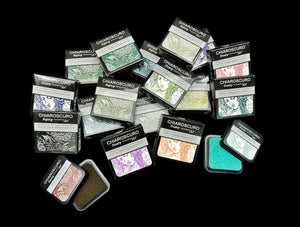
Under $60: Mixed media paper or a dedicated journal, aging inkpads, one clear stamp set, a UV matte sealant spray. This is where botanical journaling starts to feel like a full practice rather than a weekend experiment.
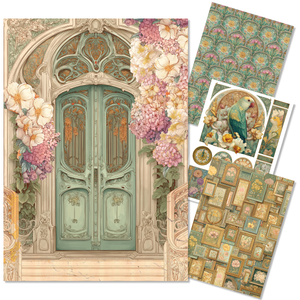
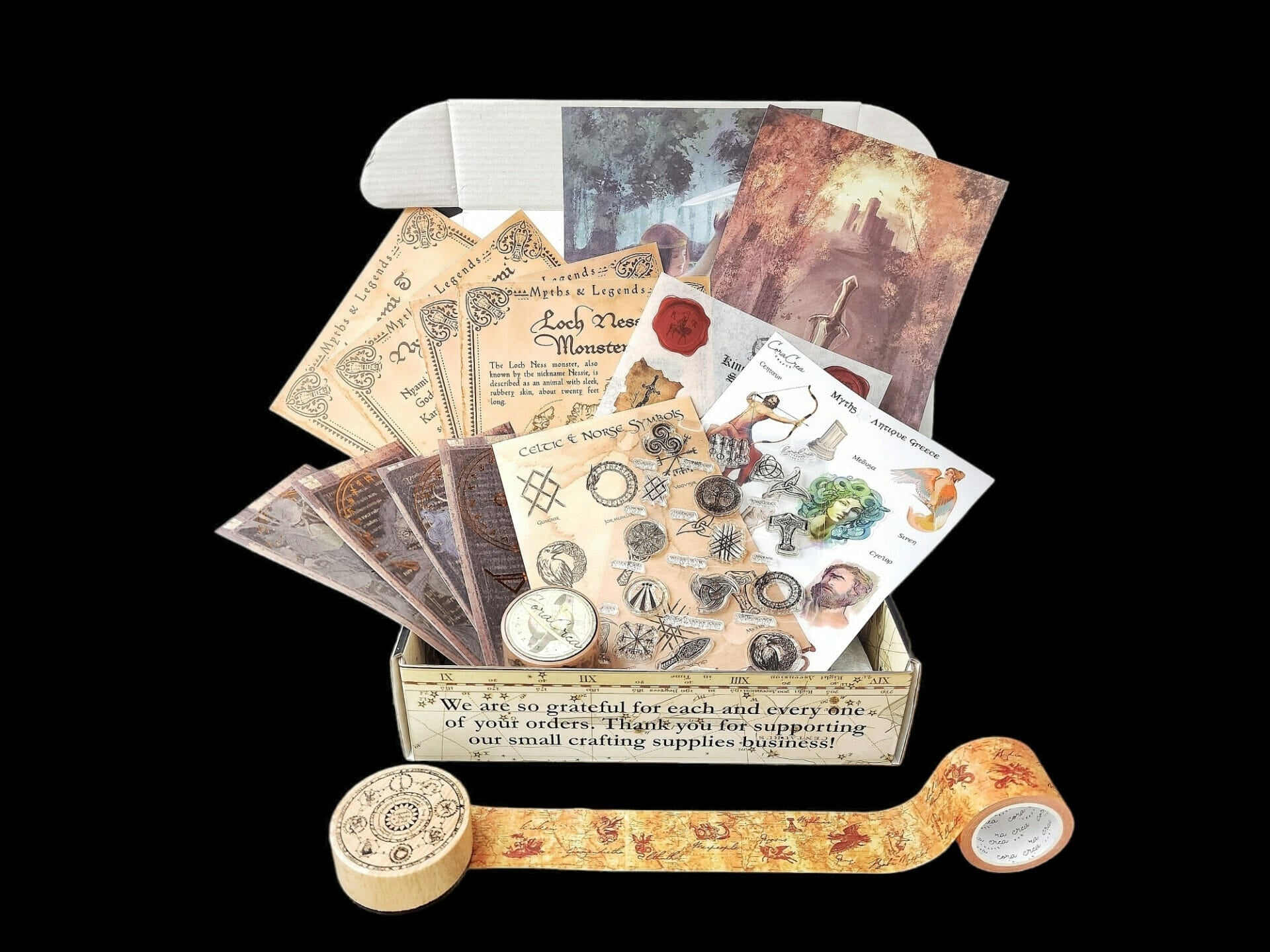
The Easy Route: If you'd rather skip the hunting around, the Vintage Craft Box brings you themed supplies chosen to work together every month. Papers, washi tape, stamps, and ephemera are all selected to pair directly with pressed flowers. No hunting for combinations that actually go together. At around $50/month, each box typically delivers $80-$100 in retail value, plus the creative direction that keeps every month's pages coherent without having to plan from scratch.
Building a Pressed Flower Journaling Habit That Actually Sticks
Most botanical journals stop at page four. Not because the person lost interest, but because they never built the collecting habit before they started the journal. The journal is the output. The walk is the input. Without the walk, the journal goes empty.
"Fold a piece of parchment in quarters and keep it in your bag. Flower to parchment in sixty seconds. That one habit is what separates journals with twenty pages from journals that stop at four."
The reason this works is that it removes every excuse. There's no hunting for supplies when you get home, no flower wilting on the kitchen counter while you find a heavy book. The pressing happens in the moment, which is the only time it reliably happens at all.
Pick a fixed journaling time instead of waiting to feel inspired. Sunday morning before the house wakes up. Weekday lunch outside. Whatever slot you can protect. The time matters far less than the consistency. A journal you return to every week for a year is genuinely something to be proud of for the rest of your life.
What Flowers to Press Each Month: A Full-Year Botanical Calendar
If you start today, here's what you can collect through the year in most temperate climates. Print this out or keep this page bookmarked. You will find yourself coming back to it at the start of every month.
June is highlighted not just because it has the most variety but because everything available right now presses quickly and reliably. You can collect today and have finished pressings ready for your first spread in under two weeks. There is no better month to begin.
Flower Meanings for Botanical Journal Pages (Victorian Key)
The Victorian herbarium tradition assigned a meaning to every botanical specimen. Knowing what your flowers historically meant adds a layer of personal annotation to every page. It is a small thing, but it is the kind of small thing that makes a journal feel like it has depth rather than just decoration.


"A pressed flower with a date and a place beside it isn't decoration. It's a memory you can hold onto."
Write the meaning next to the Latin name on your page. Future you will be glad you did.
Craft finds and free printables
Washi tape picks, seasonal printables, and journal prompts worth keeping. One email, whenever there's something worth sending.
You're in. Your first picks are headed to your inbox.
The Best Journals and Craft Supplies for Pressed Flower Pages
Five options, five different starting points depending on where you are. Already have flowers pressing and just need materials? Start with printables today. Want someone to make the supply decisions for you every month? That is what the subscription boxes are for.
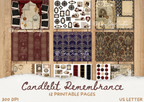
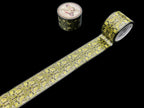
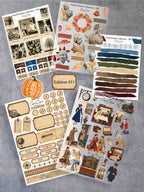

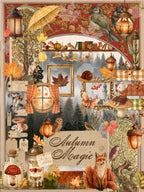
Month-to-month plans can be cancelled any time. Multi-month plans are billed at a discounted rate and run for their full term. Most orders ship within 3-5 business days from Nashville, TN. Pick one thing from the list above, press a flower this week, and build from there.