How to Start a Junk Journal in 2026
You can start tonight with just four simple supplies: a notebook or pieces of papers you fold like one, a glue stick or roller glue, scissors, and a pen you love writing with. Everything else builds from there. Add a little washi tape, a few stickers, and a stamp or two, some receipts and papers you collected along the way, and you'll have everything you need to create beautiful journals for years to come.
If you have been circling junk journaling for months, watching the Pinterest spreads, the engaging TikTok videos and the cozy reels of someone gluing paper to pages, this is for you. You do not need talent. You do not need a craft room. You do not need to spend a hundred dollars on supplies before you make your first page. You need a notebook, a few scraps of paper, glue, and one quiet afternoon (or less). That is the whole entry fee.
This guide walks you through the same path I would walk a friend through if she sat at my kitchen table and said, I think I want to try this, but I am scared I will mess it up. You will not mess it up. That is the whole secret. Junk journaling has no wrong way. The point is the making, not the finished page.
By the end of this guide you will know exactly what to buy, what to skip, what your first spread looks like, the twelve themes trending in 2026, where to find ephemera for free, and how to keep showing up after page one. We will go slow. Bring tea.
What a Junk Journal Actually Is
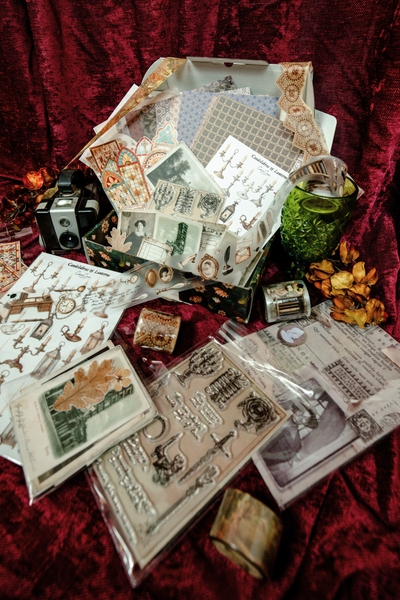
A junk journal is a handmade book of memory and mood. It is part scrapbook, part diary, part collage, part time capsule. The "junk" is the magic of it. Old envelopes, ticket stubs, pressed flowers, scribbled lists, washi tape, stickers, magazine pages, postcards from your grandmother, a receipt from the bakery you loved on the trip you took in October. None of it has to match. None of it has to mean anything to anyone but you.
Crafters layer these bits onto pages with glue, tape, and stamps. Some people draw on top. Some people write long, looping entries in beautiful handwriting. Some people tuck poems into pockets. Some people make spreads that look like museum exhibits. Some people make spreads that look like a five-year-old got into the glue. Both are correct.
A junk journal is not a bullet journal. A bullet journal is a planning system. A junk journal is a place to remember and to feel. They can live next to each other on your desk, but they do not do the same job. If you came here looking for productivity, you took a wrong turn at a cozy corner. If you came here looking for an excuse to slow down and notice what your week felt like, you found the right page.
Why Junk Journaling Is the Craft of 2026
Yahoo Creators called junk journaling the biggest craft trend of 2026. Pinterest Predicts has paper crafting for adults near the top of the list. The pattern showing up everywhere is the same one we keep coming back to in seasons of fast scrolling and tired thumbs. People want their hands in something. People want to make a thing they can hold. People want a hobby that does not ping at them.
Summer 2026 is also bringing a wave Pinterest is calling Sensory Summer. Journalers are pressing wildflowers, taping in concert wristbands, sketching the shadow of a coffee cup at 4pm. The journal becomes a tactile time capsule for heat and light and memory. If you start now, you will have the whole season to fill.
The Truth Nobody Tells Beginners

Here is what every junk journaling guide should say first and almost none of them do.
You will look at your first page and not love it. You will look at your second page and like it more. By page ten you will have a style. By page twenty you will not remember why you were nervous. The only way through is in.
Your favorite pages will not be the ones that took the longest. They will be the ones that captured a feeling. A grocery receipt next to a line you overheard. A pressed leaf from a walk. The corner of a napkin from a dinner that mattered. Junk journaling is a memory practice dressed up in pretty papers.
What You Actually Need (and What You Do Not)
Most beginner guides hand you a shopping list of forty items. You will spend three hundred dollars and still not know where to start. Skip that. Build in tiers. Buy the foundation first, use it, then add the next tier when you are ready. Most people never need everything. Most people thrive with less than they think.
- A blank notebook (could even be one you put together yourself)
- Glue stick or any type of adhesive (glue roller, PVA glue)
- A pair of scissors
- A pen you love writing with
- Some pieces you collect from everyday life (receipts, tickets, scraps)
- Washi tape (2 to 3 rolls)
- Vintage-style ephemera
- Patterned papers in muted tones
- Clear stamps and aging inkpad
- Curated sticker set
- Wax seals (optional but beautiful)
- Pressed flowers and leaves
- Lace trim and ribbon
- Vintage buttons
- Journaling cards and prompts
Tier 1: Foundation
A blank journal or notebook. Mixed media paper is ideal because it handles glue and a little water without buckling. A vintage leather journal feels lovely from the first page, but a five dollar mixed media pad from any craft store works just as well. Begin with what you have.
A glue stick or PVA glue. PVA dries clear and flexible. Glue sticks are quicker for paper-on-paper work. Most beginners use both.
Scissors. Any pair. Bonus points for tiny embroidery scissors for fiddly bits.
A pen you actually love writing with. This sounds small. It is not. The pen you reach for becomes the voice of the journal. A fountain pen, a fineliner, a gel pen, whatever feels good in your hand.
Tier 2: Layering

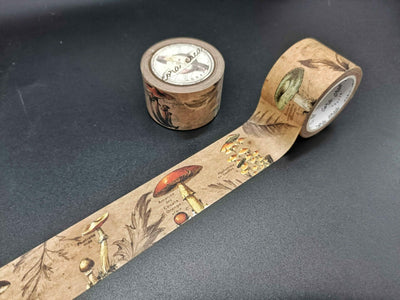
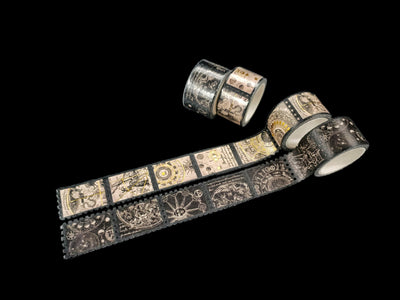
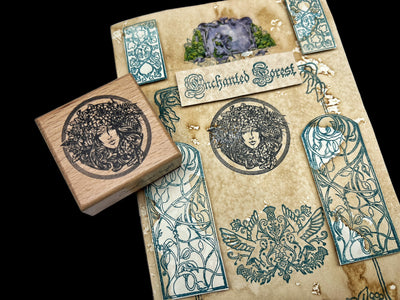
Washi tape. The unsung hero. A few rolls in colors and patterns you love will carry you through dozens of spreads. Look for craft-grade washi that tears cleanly. Cheap tape leaves residue and never sits flat. The Enchanted Forest Foil Washi and Vintage Charm Trio Washi Tape set are favorites in the CoraCreaCrafts community for good reason.
Vintage-style ephemera. Old book pages, dictionary scraps, stamps, postage, ticket stubs, library cards. You can buy these in packs or harvest them from charity-shop books and grandparents' boxes.
Patterned papers. A small variety pack of decorative papers gives you backgrounds for days. Look for muted, vintage palettes. They make your photos and writing look intentional rather than busy.
Tier 3: Decoration
Stamps and an aging inkpad. A few clear stamps and a sepia or distressed-walnut ink will instantly age your pages. This single tier transforms a beginner spread into something that looks intentional. The Artist Clear Stamp and Aging Inkpads are exactly the combination beginners reach for most.
Stickers. A curated set in a coherent style works better than a giant grab bag. One thoughtful sheet of botanical stickers will outlast three impulse packs.
Wax seals. Optional. Beautiful. They turn a tucked envelope into a small ceremony.
Tier 4: Sentiment
Pressed flowers and leaves. Free if you have a backyard or a quiet park nearby. Press for two to three weeks between heavy books with parchment paper. Lace trim and ribbon. A small spool of dusty pink or sage lace adds softness to a hard-edged page. Vintage buttons. Heavy on a page in the best way. Journaling cards and prompts. Pre-printed cards you can slot into pockets and tip-ins.
A small shortcut, if you want one. The Vintage Craft Box arrives every month with a curated selection of papers, washi, ephemera, stamps, and small treasures, all themed around one aesthetic and chosen to coordinate. It does the curating for you. Each monthly theme retires on the first of the next month. Once a month ships, that month's collection is gone for the year.
Your First Spread, Step by Step
Pick an afternoon. Make a cup of something warm, or fresh for in the summer. Put on the playlist you save for slow projects. Set everything out before you begin. The setup is half the joy.
-
Pick a feeling, not a topic
Beginners get stuck because they pick a topic. I will document my trip to Spain. That is too big. The page does not know where to start. Pick a feeling instead. Tired but content. Quiet Sunday morning. The Sunday I wrote letters and ignored my phone. Feelings give a page a center of gravity.
-
Choose your base layer
Open the journal to a fresh spread. Glue down a piece of patterned paper or an old book page across most of the surface. This is your background. It does not need to cover edge to edge. A jagged tear looks better than a clean cut for this kind of work.
-
Add texture and depth
Tear a strip of contrasting paper and lay it diagonally. Run a strip of washi tape along the gutter where the two pages meet. Stamp lightly in a corner with your aging ink. Lightly. The temptation is to fill every inch. Resist it. Leave breathing room. Negative space is a design choice, not a mistake.
-
Layer your ephemera
Now the fun part. Pull out a postage stamp, a ticket stub, a dictionary clipping, a pressed leaf, anything that connects to your feeling. Arrange them on the page before you glue. Move them around. Try them at angles. Try one off the edge so it crops. Photograph it on your phone before you glue. If you still like the arrangement five minutes later, glue it down.
-
Anchor with a focal point
Every spread needs one place where the eye lands first. A photograph, a hand-lettered word, a wax seal, a polaroid, a printed quote. Put the focal point slightly off-center. The rule of thirds works in spreads the same way it works in photographs.
-
Journal the moment
Write directly on the page or on a card you tuck into a pocket. Two sentences are enough. Sunday morning. Letters to friends I have not seen since the spring. The journaling is the soul of a junk journal. Skip it and you have a collage. Include it and you have a memory.
That is one spread. It will take you somewhere between thirty minutes and three hours depending on how slow you want to go. There is no wrong pace.


Twelve Junk Journal Themes Trending in 2026
These are the themes people are searching for, saving on Pinterest, and asking about in our subscription community. Pick one for your first month. Use it as a north star to keep your supplies coordinated.
You do not have to commit to one. Picking one for a month gives your journal coherence. Switching themes month to month gives your journal range.
Where to Find Ephemera (Free and Paid)
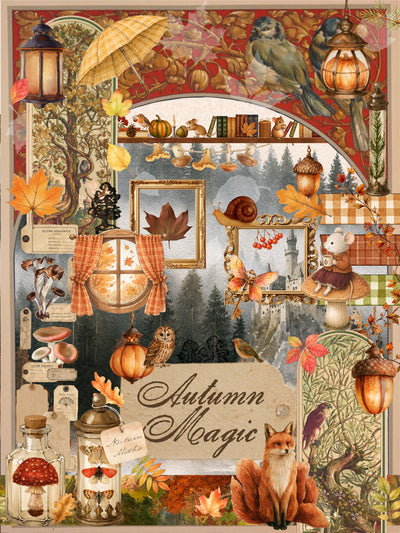
The hunt is part of the fun. Here is where journalers actually find their best material.
Free sources
- Your own life. Receipts, tickets, packaging, envelopes you would have thrown out. Start collecting now. Within a month you will have a small box of treasures.
- Charity shops and library book sales. Old books, atlases, recipe cards, sheet music. Pay a dollar for a yellowed paperback and harvest the endpapers, the title page, the chapter headings.
- Grandparents and parents. Many people have a drawer of old letters, postage stamps, postcards, and passports they would happily pass on if asked. Ask kindly.
- Free printables. Many crafters share digital ephemera kits for free. Print on lightweight cream paper and tea-stain for instant patina.
- Nature. Leaves, petals, twigs, feathers. Press them between two sheets of parchment paper inside a heavy book for two to three weeks.
Paid sources
- Subscription boxes. A monthly Vintage Craft Box delivers a curated collection of themed, coordinated ephemera, hand picked to play well together. The work of sourcing is done for you.
- Etsy and small makers. Search for "junk journal ephemera pack" or "vintage ephemera kit." Look for sellers with strong photos and clear themes.
- Specialty craft shops. Look for shops with a dedicated junk journaling section. The good ones have washi tape, ephemera packs, stamps, ink pads, and stickers all in one place.
One real tip. Curate. A small thoughtful collection beats a giant bin of mismatched stuff every time. If you cannot picture using a piece in the next month, do not buy it.
Beginner Mistakes to Skip
Almost every beginner makes these. You can skip them all.
- Buying too much before you start. They spend three hundred dollars and then feel paralyzed by the pile. Buy small, buy what you love, use it, then buy more. The journal will tell you what you need next.
- Trying to copy a Pinterest spread exactly. Pinterest spreads are made by people who have been at this for years. Yours will not look like that on day one. Copying details and ideas is healthy. Trying to match a stranger's finished page is a fast way to feel small.
- Filling every inch of the page. New journalers panic at white space. Leave it. Negative space is what makes a spread feel intentional rather than chaotic.
- Using bad glue. Cheap glue sticks dry out, peel up, and yellow over time. PVA glue is worth the four dollars. Your future self will thank you when she opens this journal in five years and the pages are still flat.
- Picking a journal with thin paper. Standard notebook paper buckles under glue and bleeds through with markers. Mixed media paper or watercolor paper handles wet media. The single best beginner upgrade is paper weight.
- Comparing your day-one work to someone's year-three work. This is a quiet poison. Curate your feed to include beginners in real time. Watch their evolution. It is honest and reassuring.
- Quitting after one spread you do not love. Page two is always better than page one. Page ten is always better than page two. Stay in.
How to Keep Going Past the First Page
The reason most journals end on page three is not that the crafter lost interest. It is that they did not build a small habit. Here is what works.
- Pick a fixed time. Sunday afternoon. Wednesday evening. The thirty minutes before bed. Write it on the calendar like a date with yourself. Junk journaling thrives in repetition more than in inspiration.
- Keep it nearby. A junk journal hidden in a closet does not get used. Keep it on a shelf you walk past, with a small basket of supplies next to it. The lower the barrier to start, the more often you will start.
- Use prompts when you are stuck. Some weeks your life feels like nothing happened. The journal still wants you. Prompts help: what did the light look like today, what did I overhear, what did I smell, what did the morning feel like.
- Forgive yourself the gap. You will skip a week. You will skip a month. You will pick the journal up again. The journal does not mind. Resume.
- Make a small ritual of the start. Light a candle. Pour the tea. Put on the same playlist. The body will start asking for journal time once it associates the cues with comfort.


Adapting Your Junk Journal to Summer
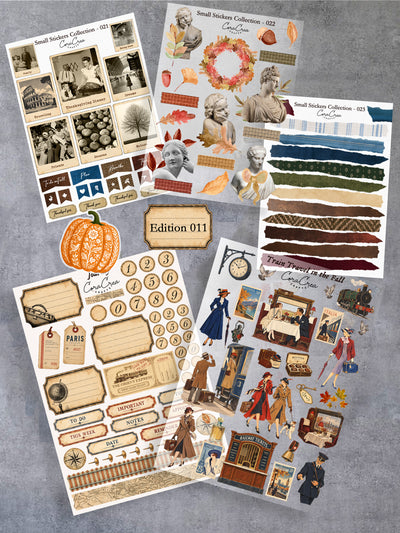
May is a perfect time to start a journal. Summer hands you ephemera every single day. The receipt from the ice cream you ate by the river. The ticket from the outdoor movie. The petals from the rose your friend sent. The dried sprig of mint from the cocktail you made on a Friday. Summer is the easiest season to junk journal because everything around you is already trying to become a memory.
- Pressed flower week. Spend a week walking with intention. Pick three small petals each day. Press them. By the end of the week you have a botanical spread ready to go.
- One photo a week. Print one phone photo on cheap photo paper. Tape it in with washi corners. Add a line of journaling. Five minutes a week, fifty memories by year end.
- The summer six. Pick six summer feelings: sunburn, sea air, late dusk, cold drinks, sandy floors, slow mornings. Make a small spread for each. By August you will have a summer in a book.
- The last-day-of-summer page. Hold a single page open until the very end of the season. Fill it on the last warm Sunday with everything you want to remember. Save it for a winter day when you need warmth.
Mid-May has its own ephemera. Farmers market tags, seed packets from the garden center, programs from spring recitals and graduations, the last dried petals from the bouquet your kid brought home. Throwaway things that document a year if you give them a page. Tape them in now, before summer arrives and takes May with it.
Find the CoraCreaCrafts Path That Fits You
You do not have to subscribe to anything to start junk journaling. You can build your collection from charity shops and your own life. You can also let someone curate it for you. Both paths land in the same beautiful place. Here is a tiny decision helper for the second path.
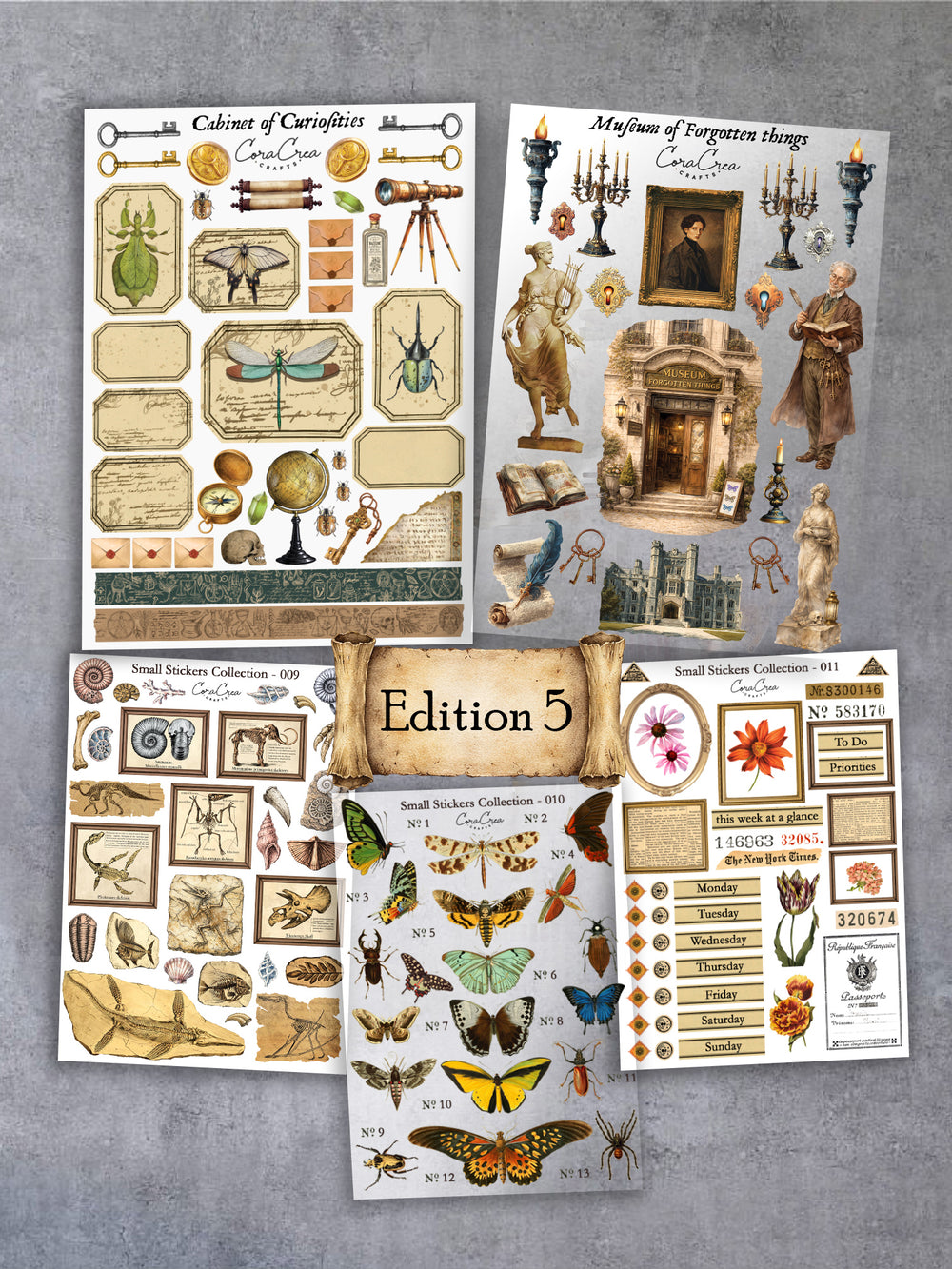

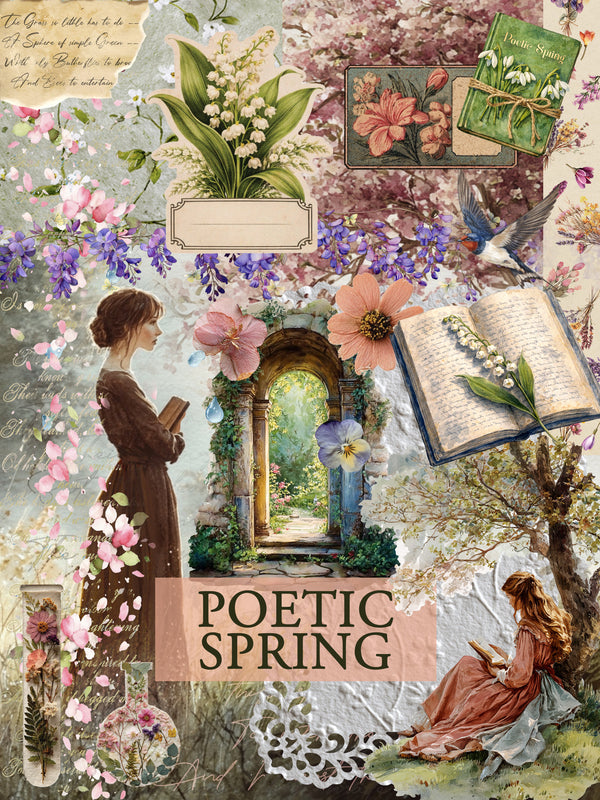
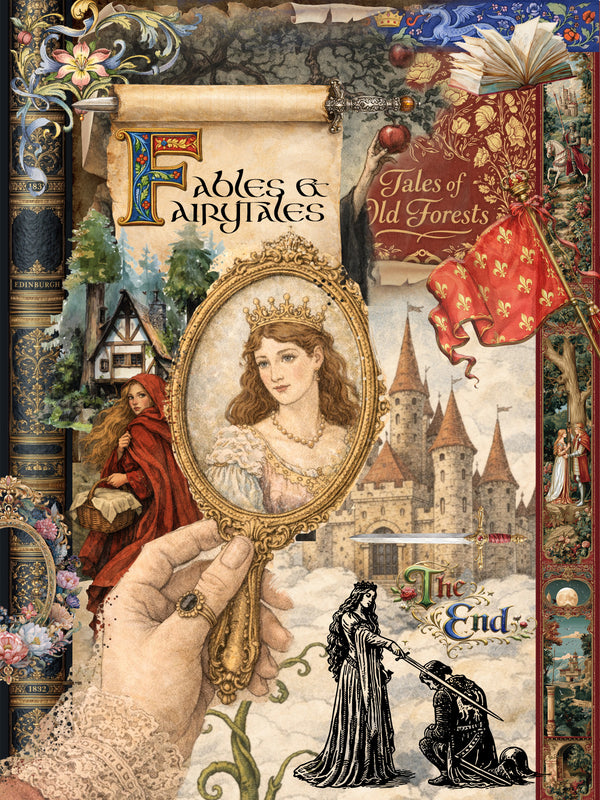
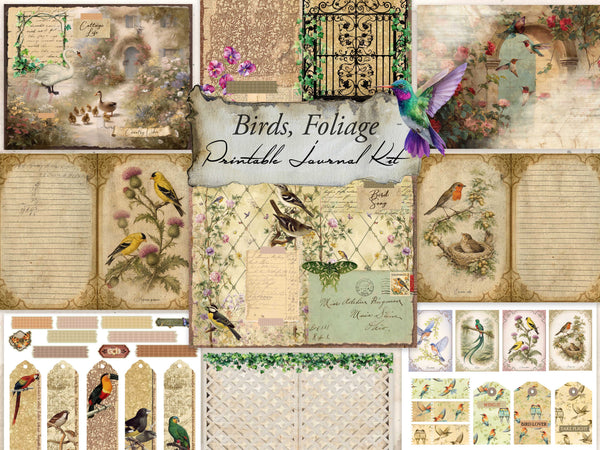
Every CoraCreaCrafts box is hand curated by founder Coralie. Every subscription is cancel anytime. No long-term commitment, no hidden fees. Pause when you need to. Resume when you want to.
If a theme is already calling to you and you do not want to risk missing it, the Vintage Craft Box is the one most beginners start with. Ship in the next forty-eight hours and you will have your first themed kit on your desk within the week.
Frequently Asked Questions
Get the Monthly Craft Letter
Washi tape picks, seasonal printables, and journal prompts worth keeping. One email, whenever there's something worth sending.
You're in. Your first picks are headed to your inbox.
Happy journaling,
More from the Blog

22 June 2026
Cyanotype Journal Pages: Easy Sun Prints, No Drawing

14 June 2026
Pressed Flower Journaling 2026

20 May 2026
ADHD Journaling: How to Build a System That Actually Sticks

6 May 2026
Washi Tape vs PET Tape: The Difference

18 April 2026
Mother's Day Stationery Gift Guide 2026: For the Journaler in ...

18 April 2026
Travel Journal Setup Guide for Beginners | CoraCreaCrafts